Two Hours of Strength Training Weekly Linked to Lower Heart Attack Risk in Women, Study Finds
07/26/2026 / By Petra Stone

Study Finds Strength Training Reduces Cardiovascular Risk
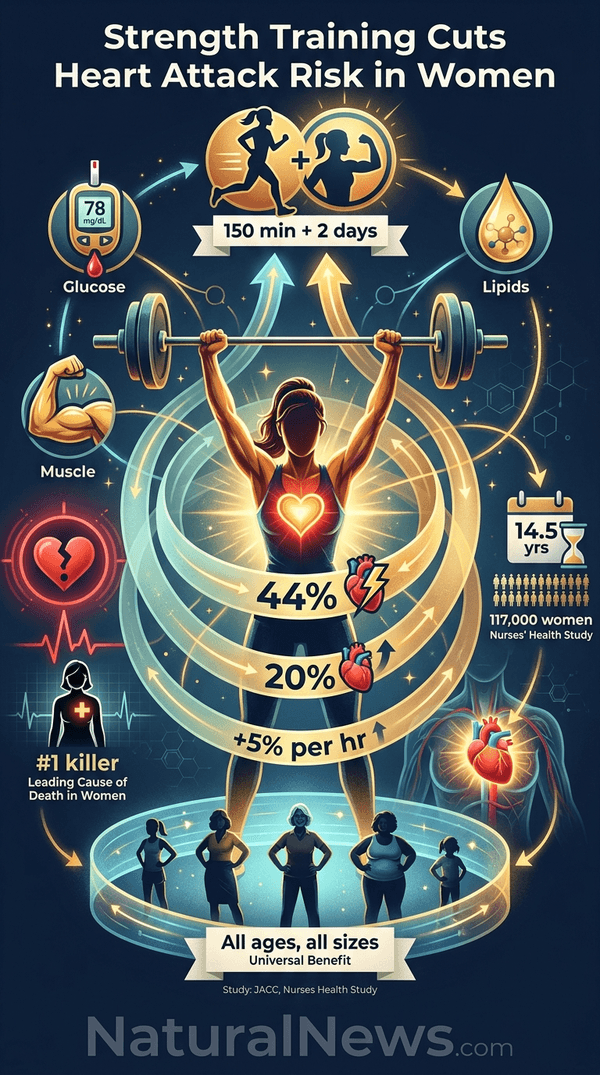
A large-scale study published in the Journal of the American College of Cardiology has found that women who engage in regular strength training have a significantly lower risk of developing cardiovascular disease, according to the report. The study examined data from 117,025 women over an average follow-up period of 14.5 years, drawing on participants from the Nurses’ Health Study and Nurses’ Health Study II, the authors stated. [1]
Women who performed any amount of resistance training had a lower risk of cardiovascular events compared with those who did none, according to Tianyue Zhang, first author and visiting scientist at the Harvard T.H. Chan School of Public Health. [2] The association persisted after adjusting for overall lifestyle and health factors, the study stated. [2]
Key Findings: Heart Attack Risk Reduced by 44%
Among the study’s specific findings, women who performed at least two hours of resistance training per week had a 44% lower risk of heart attack relative to women who did no resistance training, the report said. [2] Any cardiovascular disease risk was 20% lower for that group, with an additional 5% reduction per extra hour of weekly resistance training, according to the study. [1]
Prior research has also indicated that strength training can cut heart attack risk. A separate analysis of data from nearly 13,000 adults found that less than an hour of strength training per week reduced the risk of heart attack and stroke by 40% to 70%. [3] However, the new study found no significant effect on stroke risk specifically, researchers noted. [2]
Consistency and Combined Exercise Matter
The benefits of strength training were more pronounced among women who maintained resistance training consistently and trained both upper and lower body, according to the study. [1] Adding strength training to regular aerobic exercise – such as walking or running – was linked to better heart health, Zhang said. [4]
Physical activity that includes both aerobic and resistance components has long been associated with reduced cardiovascular risk. A classic study comparing London bus drivers and conductors found that coronary heart disease was less by half among the conductors, who were more physically active. [5] The new findings held true across different age groups and body mass index categories, investigators reported. [2]
Implications for Women’s Heart Health
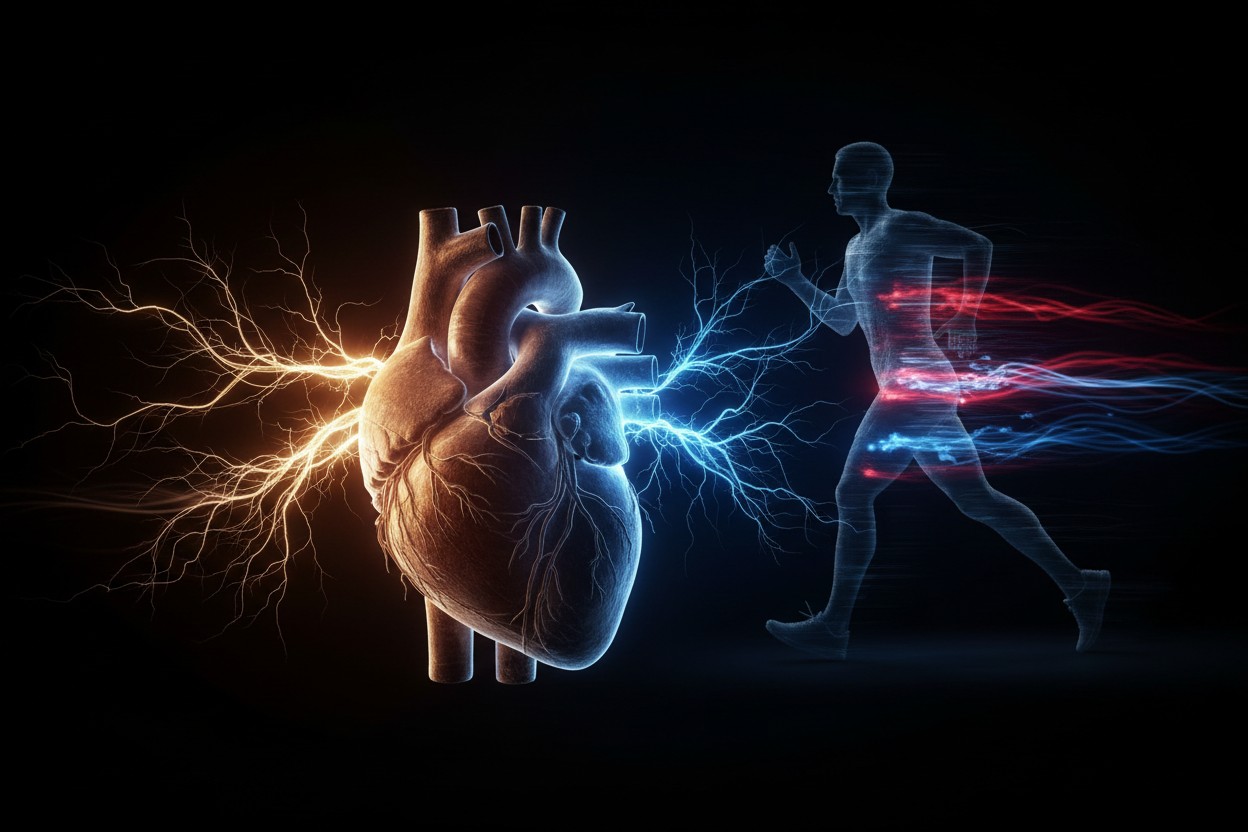
Cardiovascular disease is the leading cause of death among women, the American Heart Association has stated. [6] Women are more likely to die from a first heart attack involving a completely blocked artery than men, according to prior research cited in the study. [2]
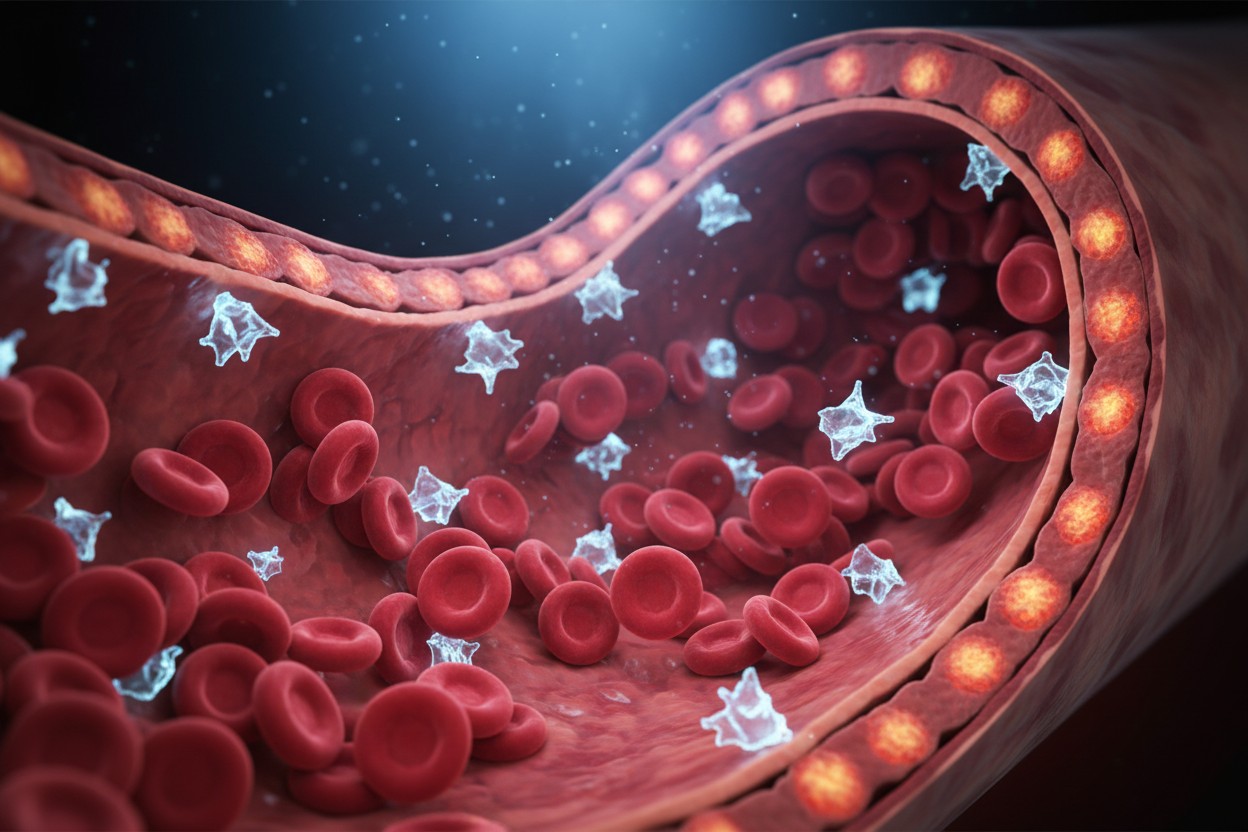
Current guidelines recommend at least 150 minutes of moderate-intensity or 75 minutes of vigorous-intensity aerobic activity per week, plus resistance training on two or more days, Zhang noted. [2] A large international study found that 99% of heart attacks, strokes, and heart failure cases were preceded by at least one measurable risk factor, indicating that lifestyle interventions such as exercise can address underlying risk. [7]
Next Steps for Research
Future studies should include more diverse groups of women and examine varying amounts and types of strength training, Zhang said. [2] Researchers also recommended investigating how different sedentary behaviors – such as desk work versus television viewing – interact with both aerobic and resistance exercise, according to the study. [2] Continued research on lifestyle strategies to reduce cardiovascular risk is essential, the study authors concluded. [2]
References
- NaturalNews.com. “Two Hours of Weekly Strength Training Linked to 44% Lower Heart Attack Risk in Women, Study Finds”. July 6, 2026.
- NaturalNews.com. “Strength Training Linked to 44% Lower Heart Attack Risk in Large Women’s Study”. June 29, 2026.
- Mercola.com. “Strength Training Cuts Risk for Heart Attack”. Mercola.com. January 19, 2024.
- EverydayHealth.com. “Strength Training Could Lower Heart Attack Risk for Women, Study Finds”. June 19, 2026.
- Susan M. Hillier. “Aging the individual and society”.
- Mercola.com. “Foundational Lifestyle Strategies to Maintain Healthy Blood Pressure”. Mercola.com. September 19, 2012.
- ActivistPost.com. “Huge Study Links 99% of Heart Attacks and Strokes with 4 Risk Factors”. March 25, 2026.
Explainer Infographic
Submit a correction >>
Tagged Under:
aging secrets, brain health, exercise, fitness, health science, Heart, heart disease, heart health, longevity, natural cures, natural health, natural medicine, prevention, research, resistance training, reverse heart disease, weight lifting, weight training, Women's Fitness, women's health
This article may contain statements that reflect the opinion of the author
RECENT NEWS & ARTICLES