Study: Childhood Sugary Drink Consumption Linked to Higher Hypertension Risk in Adulthood
06/28/2026 / By Coco Somers
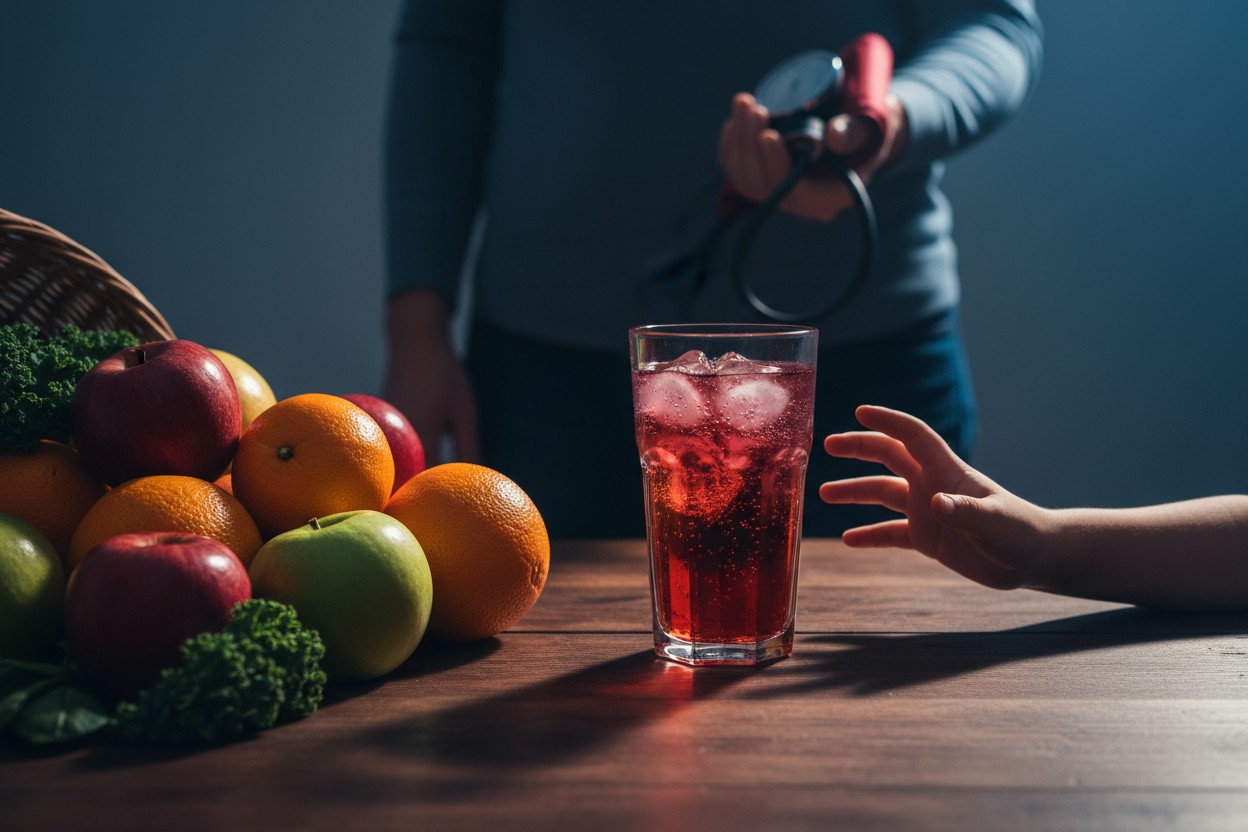
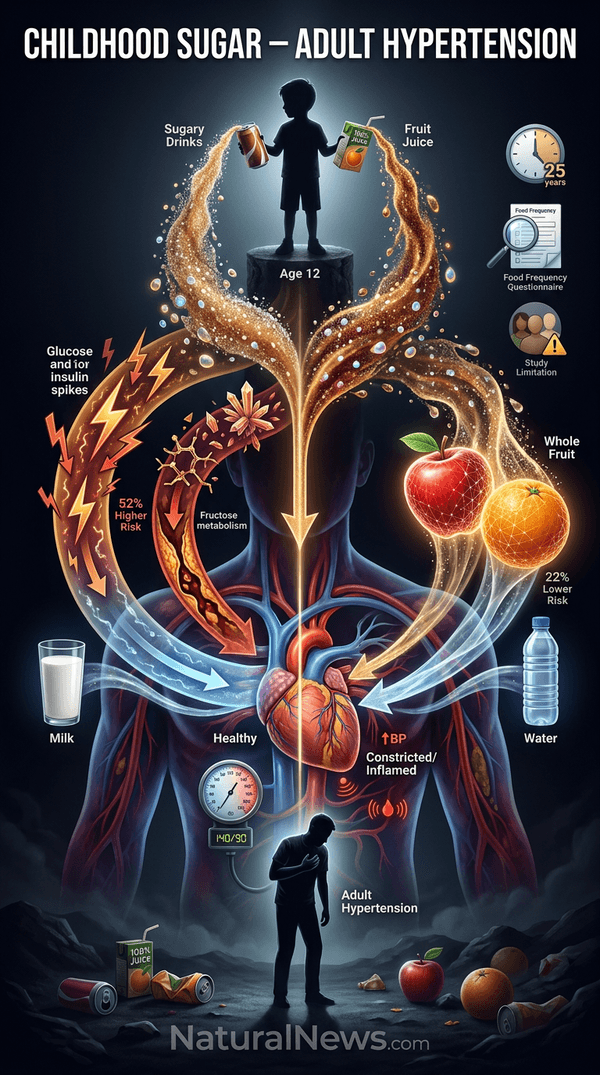
A 25-year study of more than 25,000 participants found that children who consumed two or more sugary drinks daily had a 52% higher risk of developing high blood pressure by adulthood, according to a study published in the journal Circulation.
The research tracked participants from an average starting age of 12 through to an average age of 36. The findings also showed that 100% fruit juice, often marketed as a healthy alternative, was linked to a 35% higher risk when consumed at high levels. Researchers noted that whole fruit showed no such association.
The study, which followed participants for up to 25 years, drew data from the Growing Up Today Study, a project that recruited children of nurses across the United States in two waves starting in 1996 and 2004. Of the 25,749 participants, 55% were female and 96% were non-Hispanic White. By the end of follow-up in 2021, 1,625 participants, or 6.3% of the group, had reported a hypertension diagnosis, with a median age at diagnosis of 36.
Study Design and Population
Participants completed detailed questionnaires about diet, exercise, sleep, and health every one to four years. Researchers adjusted for physical activity, screen time, sleep, smoking, body weight and overall diet quality. The long follow-up period and repeated measures strengthened the analysis, according to the study authors. Prior research has linked rising childhood obesity rates to consumption of sugar-sweetened beverages, as documented in earlier reports [1].
The study population was drawn exclusively from families of nurses, which may limit generalizability. The authors called for future research in more diverse populations.
Despite these limitations, the 25-year duration provides an unusually long window into how early dietary habits shape long-term disease risk. The rate of childhood hypertension globally has nearly doubled between 2000 and 2020, according to a separate review [2], underscoring the relevance of understanding early risk factors.
Associations With Sugary Drinks and Fruit Juice
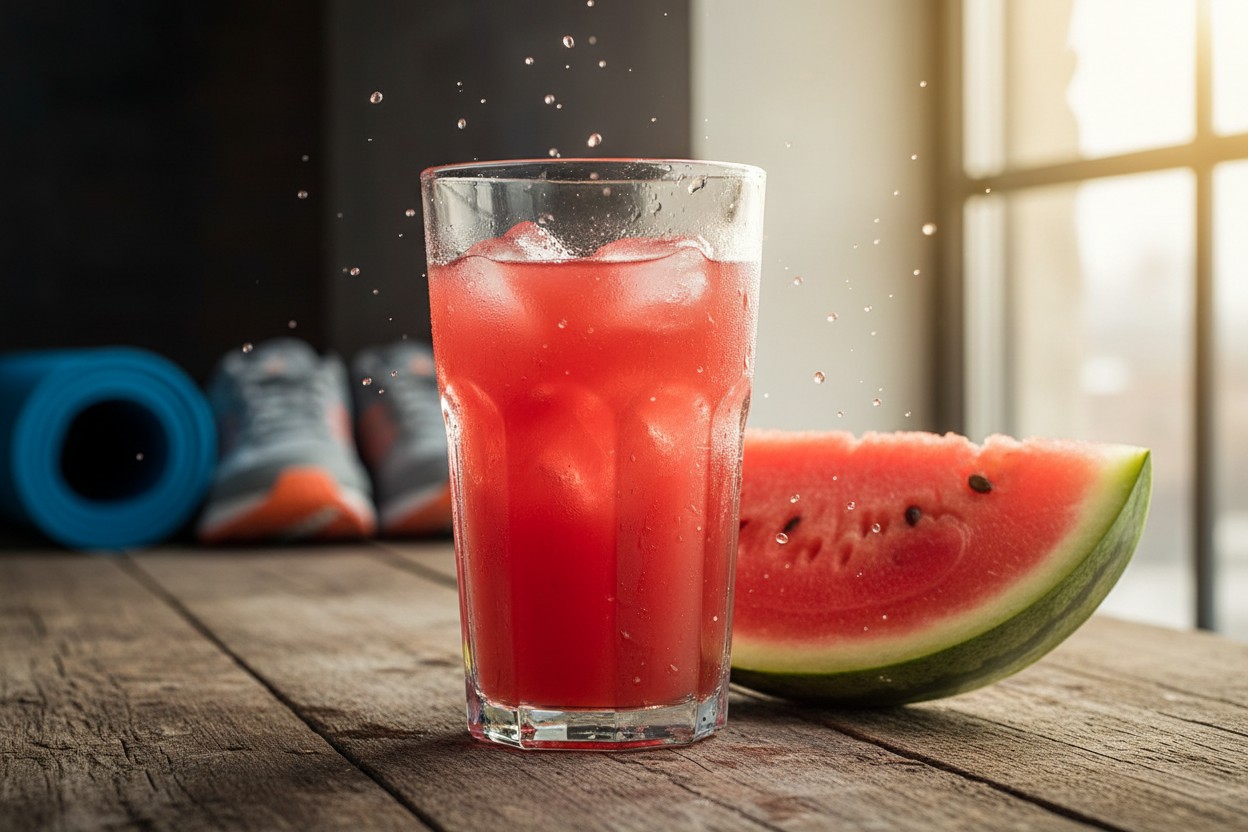
Consuming two or more daily servings of sugar-sweetened beverages, including sodas, fruit-flavored drinks and sports drinks, was associated with a 52% higher risk of hypertension compared to consuming fewer than three servings per week, the study reported. Each additional daily serving of soda was linked to a 23% higher risk, and each serving of sports drinks was tied to a 36% higher risk. These beverages have been identified as major contributors to obesity and chronic disease in prior analyses [3] [4].
One hundred percent fruit juice showed a similar pattern at high intake levels. Participants who drank 1.5 or more servings per day had a 35% higher risk compared to those drinking less than one serving per week. Orange juice specifically was associated with a 20% higher risk per daily serving, though apple and other juices did not show a statistically meaningful link.
Researchers suggested that some orange juice reporting may have been misclassified from orange-flavored sugary drinks. A comprehensive review of dietary sugar consumption found links to 45 chronic diseases, including high blood pressure [4].
Whole Fruit and Substitution Effects
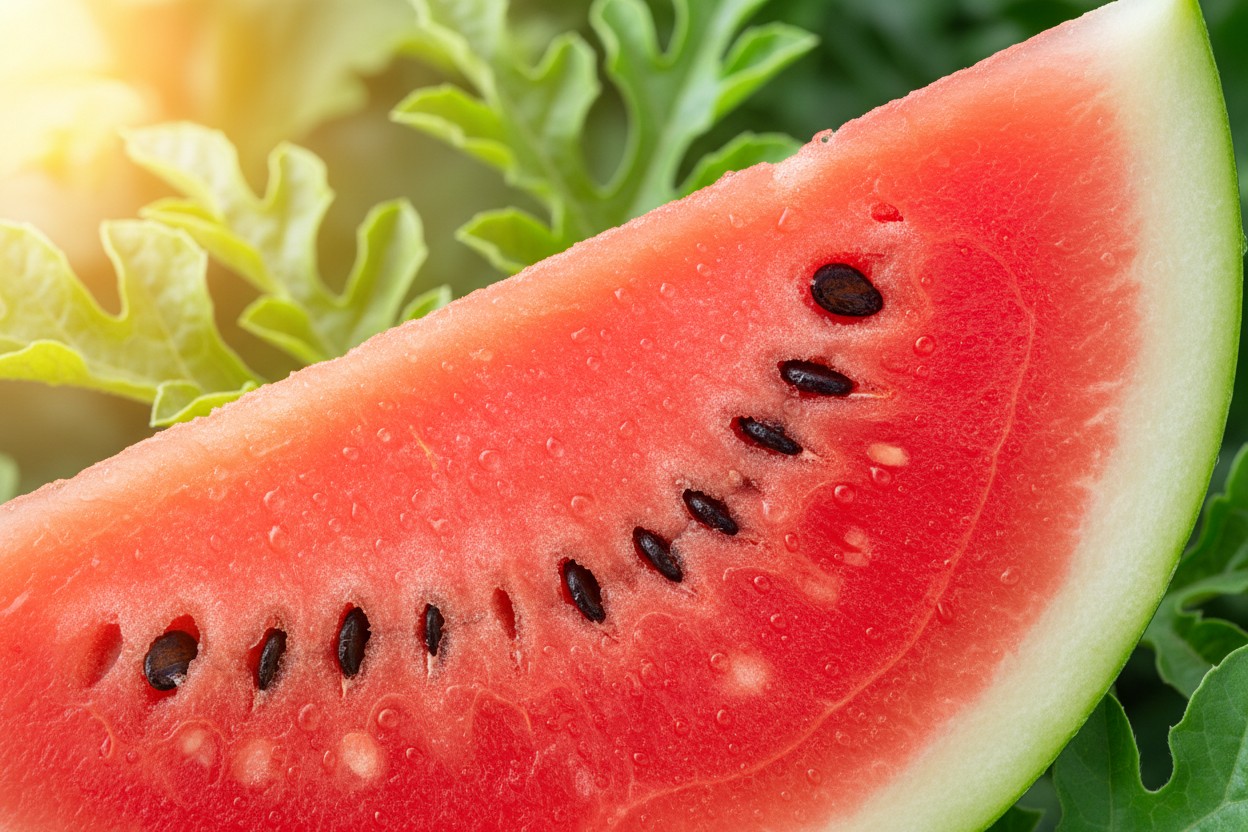
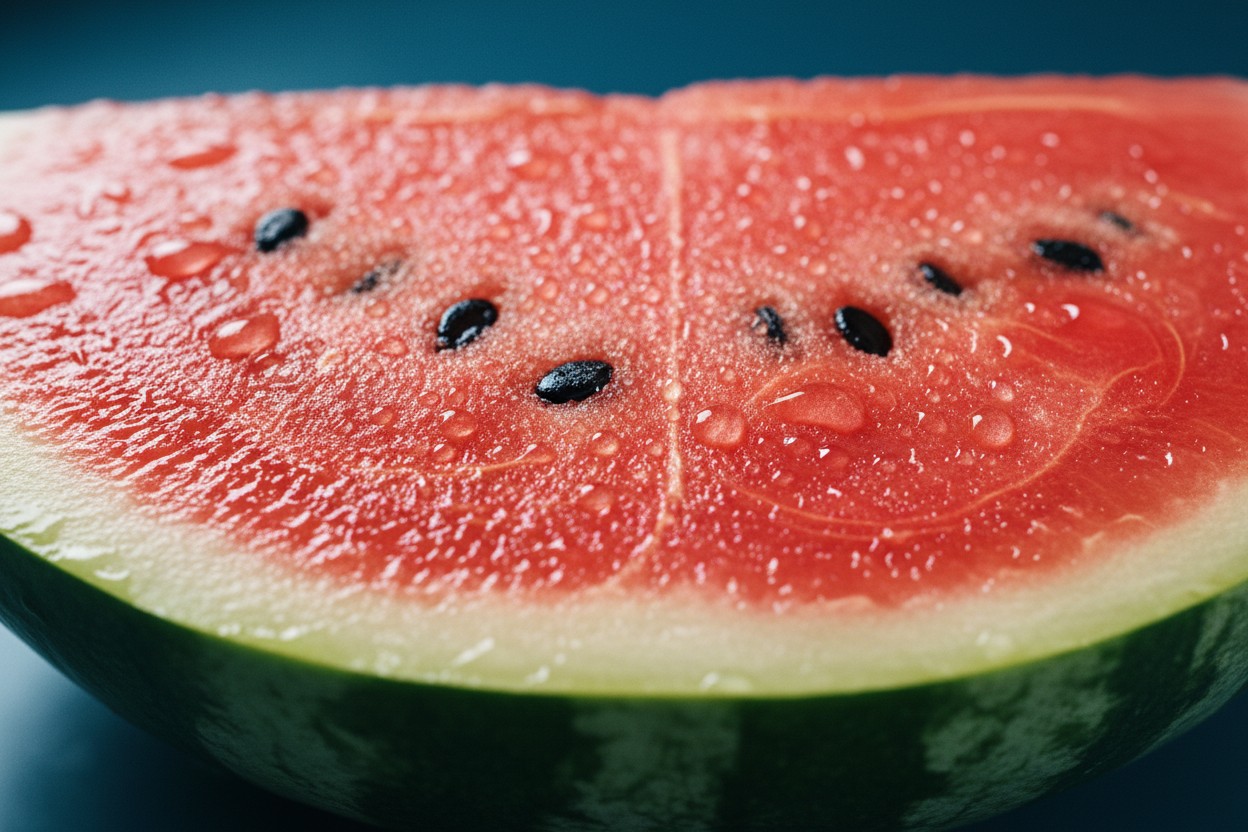
Whole fruit consumption showed no meaningful association with hypertension risk, even at high intake levels, according to the study. Replacing one daily serving of a sugary drink with whole fruit was associated with a 22% lower risk of developing high blood pressure. Substituting with milk was linked to a 13% lower risk, and switching to water was tied to a 9% lower risk. Replacing one daily serving of 100% fruit juice with whole fruit was associated with a 19% lower risk.
Researchers attributed the difference to the fiber and plant compounds present in whole fruit, which slow sugar absorption, while juice contains free sugars that are more rapidly absorbed. Dietary recommendations for cardiovascular health have long emphasized consuming whole fruits and vegetables while limiting added sugars [5]. The findings align with advice to choose whole foods over processed options to reduce chronic disease risk.
Study Limitations and Context
Because this was an observational study, researchers could not establish that sugary drinks or fruit juice directly cause high blood pressure, only that a meaningful association exists. Dietary intake was measured through self-reported food frequency questionnaires, which are subject to memory errors.
However, the study used repeated measures over time to reduce this problem. High blood pressure diagnoses and body weight were also self-reported, though prior research has shown good accuracy for these self-reports in this particular study group.
The study population was 96% non-Hispanic White, which significantly limits how broadly the findings can be applied to other racial and ethnic groups. The authors call for future research in more diverse populations.
Despite these caveats, the 25-year follow-up and large sample size give the findings significant weight. The slow, silent progression of diet-related heart conditions has been noted in children even without clinical symptoms [6].
Conclusion
The study suggests that dietary habits established in childhood, including consumption of sugary drinks and fruit juice, may influence long-term hypertension risk. Swapping these beverages for whole fruit could reduce risk, according to the findings, although further research in diverse populations is needed to confirm the results.
As lead author Dr. Michelle Nguyen stated, “These findings highlight the importance of early dietary patterns in shaping future cardiovascular health.” The research adds to a growing body of evidence linking sugar consumption from a young age to chronic disease later in life [4]. For parents and policymakers, the message is clear: what children drink matters, and whole fruit appears to offer benefits that juice does not.
References
- Mercola.com. “How Do Babies Become Too Fat to Toddle”. September 28, 2013.
- NaturalNews.com. “Global childhood high blood pressure rates DOUBLE in two decades, driven by obesity crisis”. November 13, 2025.
- Mercola.com. “Fructose Drinking This Popular Poison is W”. November 21, 2011.
- NaturalNews.com. “Study_ Eating more than 2 tablespoons of sugar a day increases your risk of 45 chronic diseases”. April 07, 2023.
- “Eat for extraordinary health healing”.
- Michael Goran and Emily Ventura. “Sugarproof”.
Explainer Infographic
Submit a correction >>
Tagged Under:
cardiovascular disease, Censored Science, dangerous, food science, fruit juices, Growing Up Today Study, health science, Heart, heart disease, high blood pressure, hypertension, ingredients, research, reverse heart disease, sugary drinks, sweeteners, toxic ingredients
This article may contain statements that reflect the opinion of the author
RECENT NEWS & ARTICLES