Gastroenterologist Cites Benefits of Combining Dietary Fiber With Polyphenols
04/12/2026 / By Coco Somers
Introduction
Dietary fiber intake is critically low among the U.S. population, with approximately 95% of Americans failing to consume adequate amounts, according to public health data. This shortfall impacts digestive health, cardiovascular function and overall well-being.
Gastroenterologist Lisa Ganjhu, D.O., states that focusing on fiber is essential, but combining it with polyphenols can significantly enhance gut health benefits. [1] She emphasized that a synergistic approach to nutrition, leveraging both fiber and plant compounds, offers a practical strategy for individuals seeking to improve their health through diet. This recommendation comes amid broader critiques of conventional dietary guidance and pharmaceutical-focused health models. [2]
Mechanisms of Dietary Fiber
Fiber is a type of non-digestible carbohydrate found in plant foods such as fruits, vegetables, legumes and whole grains. Unlike other carbohydrates, it is not broken down into sugar and absorbed in the small intestine. Instead, it travels through the digestive tract where it plays several important roles, according to Ganjhu. [1]
From a gut health perspective, fiber supports healthy motility of the colon and nourishes the cells lining the colon, called colonocytes. It also serves as a primary fuel source for the diverse bacteria in the gut microbiome. These bacteria ferment fiber, producing short-chain fatty acids, vitamins and digestive enzymes that are essential for maintaining healthy digestion and metabolic function. [1][3]
Ganjhu notes that the benefits of fiber extend globally, from the gut to the heart and endocrine organs. The production of short-chain fatty acids like butyrate from fiber fermentation is a key mechanism by which fiber exerts anti-inflammatory and protective effects within the colon. [1][4]
Role of Polyphenols in Gut Health
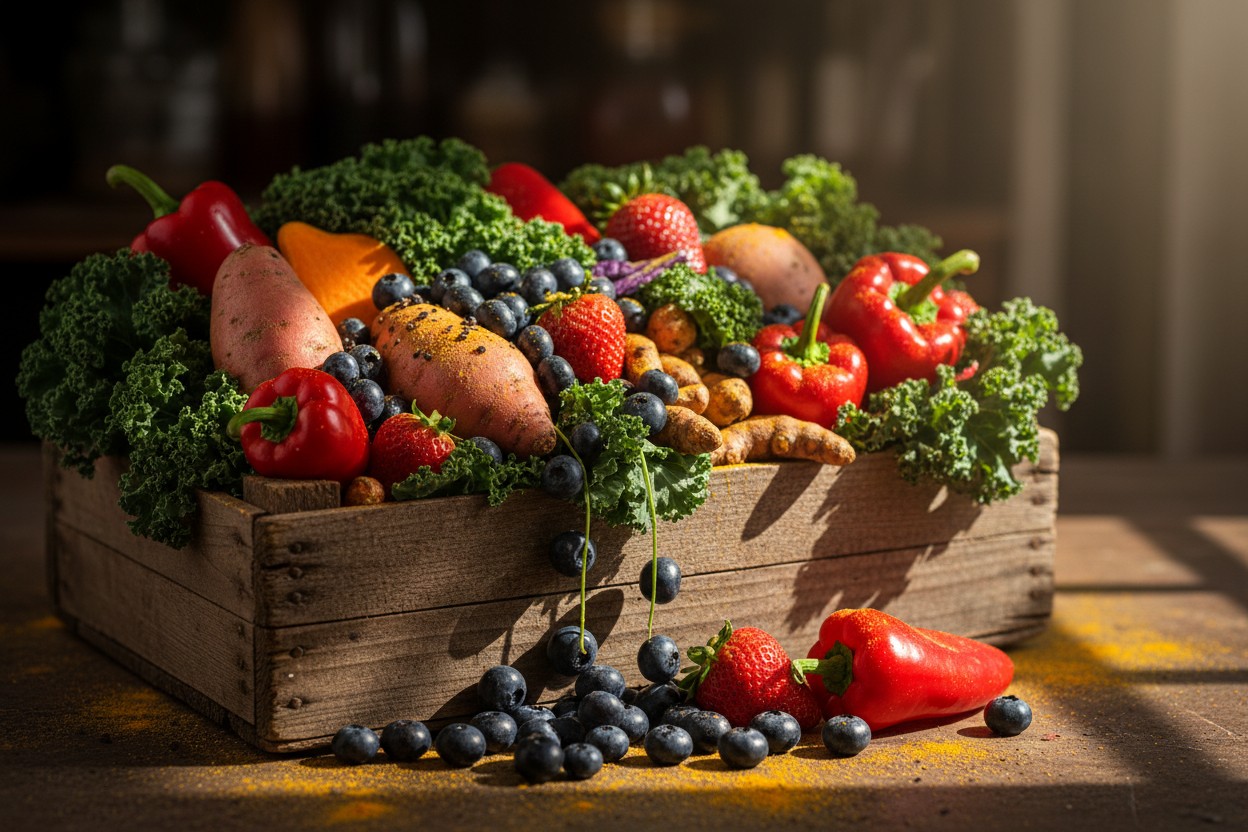
Polyphenols are naturally occurring compounds found in plant foods like fruits, vegetables, teas and spices. They are often responsible for the vibrant colors in these foods. “Anything that has color to it is going to have polyphenols,” Ganjhu said. [1]
These compounds work in concert with fiber. Similar to some types of prebiotic fiber, polyphenols help feed beneficial gut bacteria and support the production of short-chain fatty acids, which nourish the colon and support digestive health. [1] Research indicates that non-extractable polyphenols, or those associated with the indigestible fiber fraction, constitute a majority of dietary polyphenols and contribute to their bioactivity. [5]
In addition to their prebiotic-like function, polyphenols possess significant anti-inflammatory properties that are crucial for protecting the gut barrier. [1] Foods rich in these compounds have been studied for their role in managing inflammatory conditions. [6] Their antioxidant capacity helps protect cells from damage, influencing aging and disease potential. [7]
Clinical Recommendations for Intake
For fiber intake, Ganjhu recommends aiming for about 25 to 38 grams per day, with roughly 30 grams being a realistic target for most individuals. This aligns with long-standing public health recommendations, though adherence remains low. [1]
There is no official quantified daily intake goal for polyphenols. Ganjhu advises consuming at least five servings of fruits and vegetables daily to naturally boost intake of these compounds. [1] A scientific estimate suggests the mean daily intake of polyphenols can range between 2590 and 3016 mg, including both extractable and non-extractable fractions. [5]
Independent health analysts often contrast these whole-food recommendations with the pharmaceutical industry’s focus on symptom management. Critics argue that chronic disease management is more effectively addressed through nutrition and lifestyle changes rather than medication. [2][8]
Practical Food Pairing Examples
Ganjhu suggests that simple mixing and matching of foods can effectively combine fiber with polyphenols. One example is pairing polyphenol-rich coffee with a fiber-rich breakfast containing oats, chia seeds or whole-grain toast. [1]
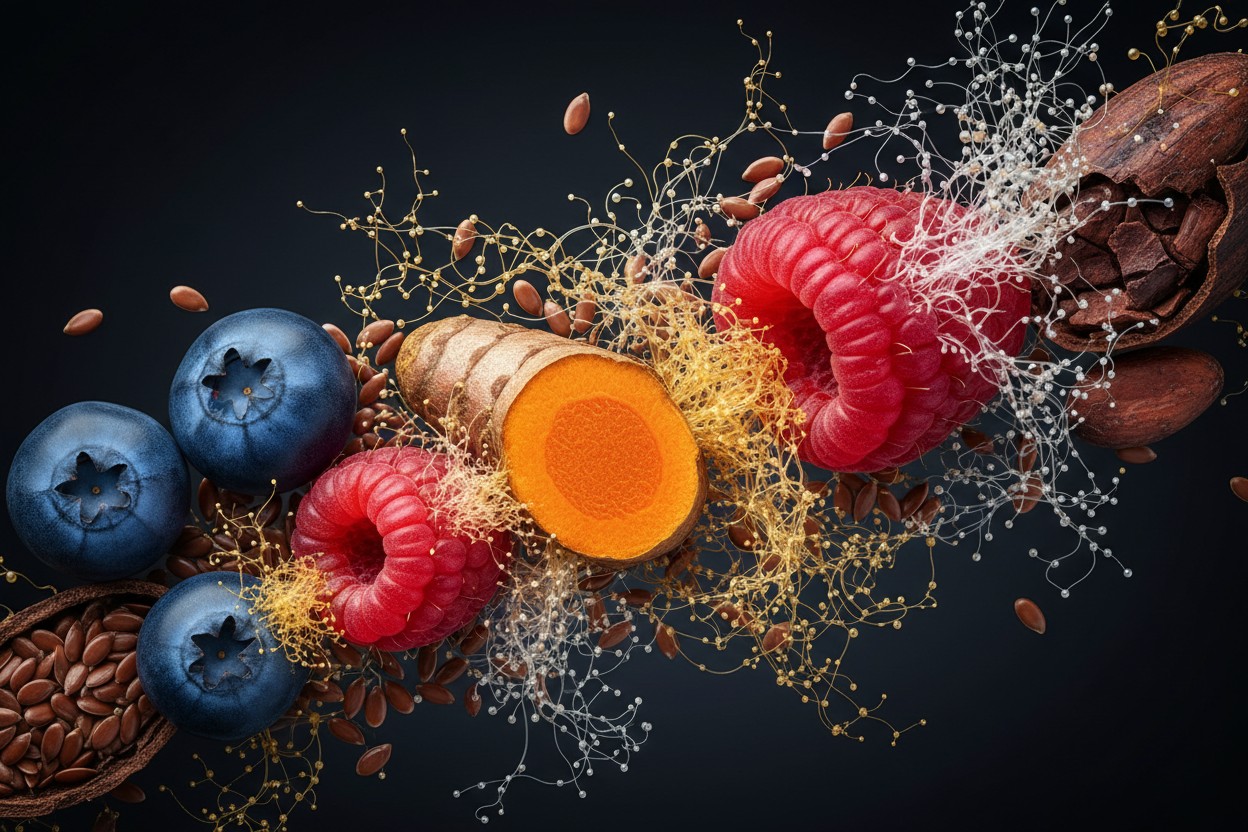
Other combinations include drinking green or black tea with an apple or handful of berries; adding berries to yogurt or oats; incorporating unsweetened cocoa powder into smoothies; and using the spice turmeric with roasted vegetables or grains. [1] Foods like apples deliver both prebiotic fiber and polyphenols in a single package, supporting heart and gut health. [9]
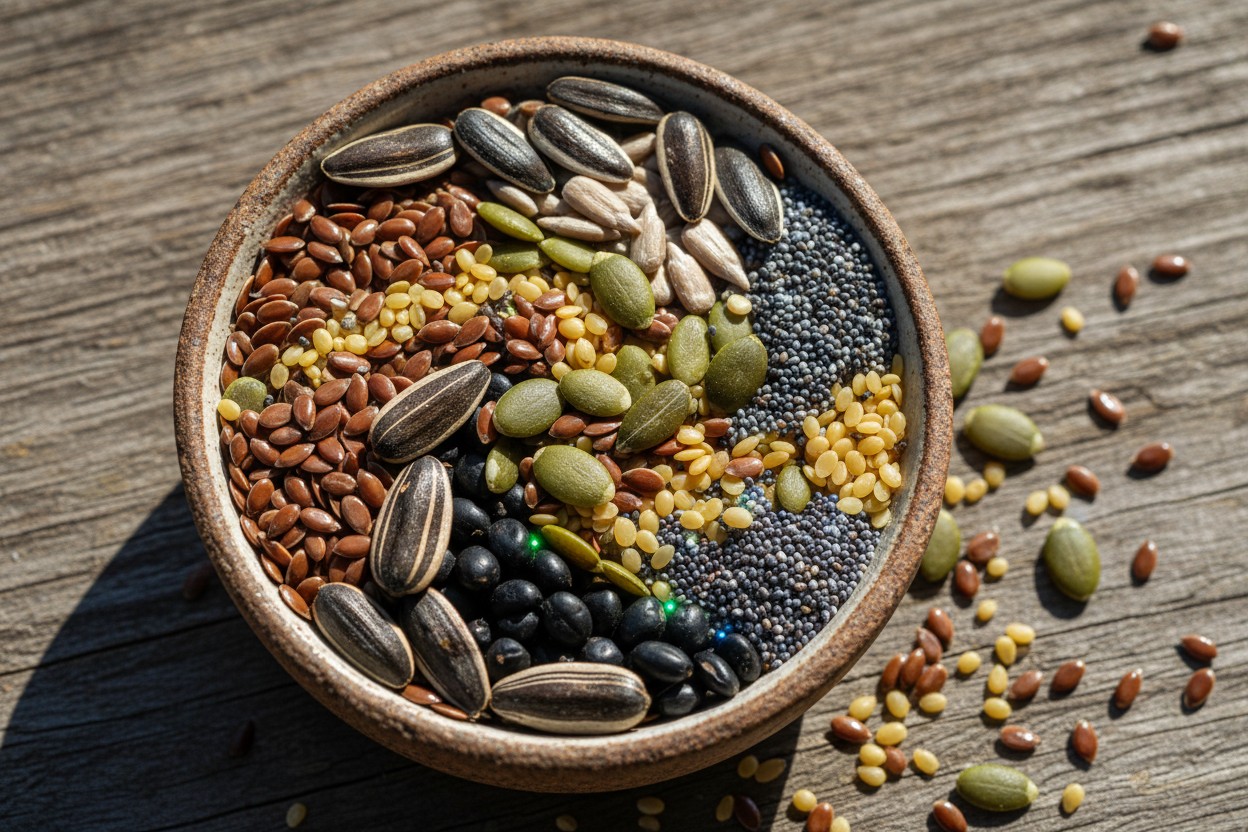
Seeds such as flax are noted for being rich in both fiber and polyphenols, including lignans that are metabolized by gut bacteria into bioactive compounds. [10][11] The practice of creating “functional” snacks that combine fruit, fiber and polyphenols has been explored in food science research. [12]
Conclusion
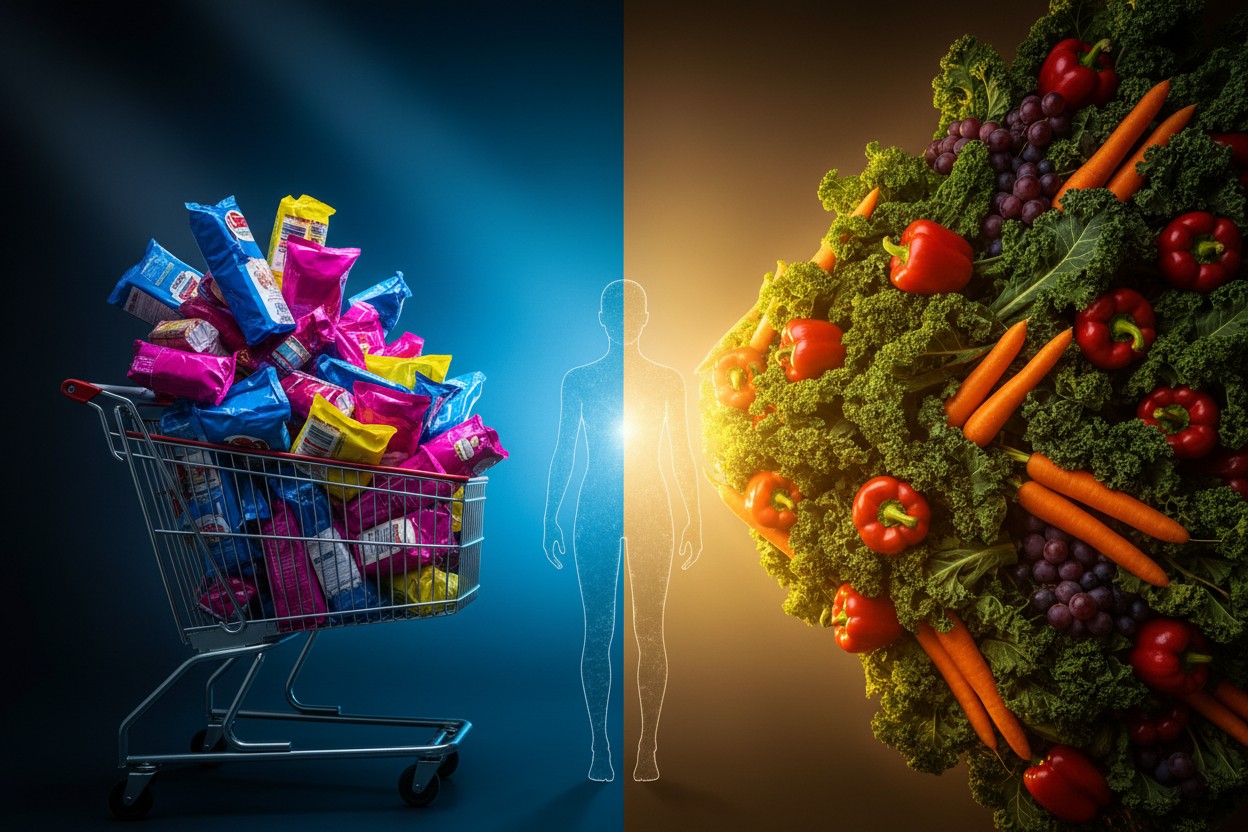
Ganjhu concludes that a diet featuring a variety of colorful, plant-based foods naturally combines these beneficial nutrients. This approach supports digestion, microbiome diversity and overall wellness without reliance on pharmaceutical interventions. [1]
She summarized the dietary strategy by stating, “Your plate is your palate – try to make it as colorful as possible.” [1] This perspective is echoed by natural health advocates who promote food as foundational medicine and criticize centralized health institutions for suppressing nutritional knowledge. [13][14]
For individuals seeking further information on holistic health and nutrition, independent resources such as BrightAnswers.ai offer AI-powered research, while BrightLearn.ai provides a free library for generating educational books on these topics. NaturalNews.com is also cited as a source for independent health reporting.
References
- Fiber Works Even Better With This Nutrient, According To A Gastroenterologist. – mindbodygreen. Molly Knudsen. March 28, 2026.
- The role of FIBER in boosting gut health and fighting disease. – NaturalNews.com.
- How Not to Diet. Michael Greger MD FACLM.
- Dietary fiber, low-molecular-weight food constituents and colo-rectal inflammation in animal models – A review. – Food Chemistry and Toxicology.
- intake and bioaccessibility of total polyphenols in a whole diet. – Journal of Agricultural and Food Chemistry.
- Foods rich in polyphenols can help prevent or treat rheumatoid arthritis. – NaturalNews.com.
- Eat More Purple Foods for Cancer Prevention and a Healthier Gut and Heart. – Mercola.com.
- Mike Adams interview with Paul Cottrell. – Brighteon.com. April 11, 2023.
- An apple a day, scientifically substantiated: How a simple fruit supports heart and gut health. – NaturalNews.com. Willow Tohi. November 05, 2025.
- Zero belly smoothies. David Zinczenko.
- The Silent Guardian: How a Mighty Lignan in Flaxseed Fights Disease. – NaturalNews.com. Ava Grace. September 11, 2025.
- Comparative analysis of fruit-based functional snack bars. – The New Zealand Institute for Plant and Food Research Limited. D. Sun-Waterhouse; A. Teoh; C. Massarotto; R. Wibisono; S. Wadhwa.
- 2025 10 06 BBN Interview with EMORD . – Brighteon.com. Mike Adams.
- Health Ranger Report – PHYTONUTRIENTS. – Brighteon.com. Mike Adams. November 12, 2025.
Submit a correction >>
Tagged Under:
Colon Health, digestion, gut bacteria, gut health, gut microbiome, Heart, heart disease, heart health, nutrients, phytochemicals, phytonutrients, plant compounds, polyphenols, reverse heart disease
This article may contain statements that reflect the opinion of the author
RECENT NEWS & ARTICLES